
Caroline County Criminal History Checks
No single public database contains every Caroline County criminal record. Begin with the Virginia Judiciary Online Case Information System, or OCIS, when the goal is to learn what charge reached court and how the judge resolved it. Choose Caroline Circuit or Caroline General District as the locality when the route asks for a court. A name can produce similar people, so a case number is the safest key. Hearing date and court level also help separate results.
Recent sheriff activity calls for a different route. Browse the official weekly reports, then request the underlying CCSO record if the short entry is not enough. For an authorized Virginia repository response, use SP-167. Custody and supervision questions belong in VADOC tools. Gather a full legal name, spelling variants, likely event date, agency, location, and case or incident number before starting.
- Search OCIS for filed Caroline County cases and note the court, case number, status, charge, and disposition.
- Check the CCSO weekly archive when the event is recent, but treat the entry as an arrest report rather than a verdict.
- Ask CCSO Records or the actual arresting agency for the incident, accident, or call-for-service record.
- Call the right court clerk for pleadings, sentencing orders, archived files, or a certified copy.
- Use SP-167 for an authorized state history and VADOC only for present custody or community supervision.
Caroline Records on Courthouse Lane
Caroline County puts two key records counters close together in Bowling Green, yet their files are not interchangeable. The Caroline County Sheriff’s Office at 118 Courthouse Lane holds CCSO incident reports, arrest history, civil and criminal process data, and records requests. The Circuit Court Clerk at 112 Courthouse Lane, Suite A, holds felony case files, final judgments, certified copies, and filings for expungement or sealing. General District Court, also in the courthouse area, handles misdemeanors, traffic cases, and felony preliminary hearings.
The short walk between offices can save time only when the requester knows which document is needed. Ask the sheriff for what a deputy wrote. Ask the clerk for what was filed or ordered in court. The Commonwealth’s Attorney prosecutes cases from 111 Ennis Street but is not the routine copy counter. Older Caroline criminal case material may be archived or paper-based because the courthouse has served the county since 1835.
CCSO Records
118 Courthouse Lane
Bowling Green, VA 22427
804-633-1120
Agency reports, arrest history, process, and FOIA requests
Caroline Circuit Clerk
112 Courthouse Lane, Suite A
Bowling Green, VA 22427
804-633-5800
8:30 a.m. to 4:00 p.m.
General District Court
Bowling Green court complex
804-633-5720
Misdemeanors, traffic, and felony preliminary matters
The official Caroline County Sheriff’s Office site shows the agency’s public-information paths.
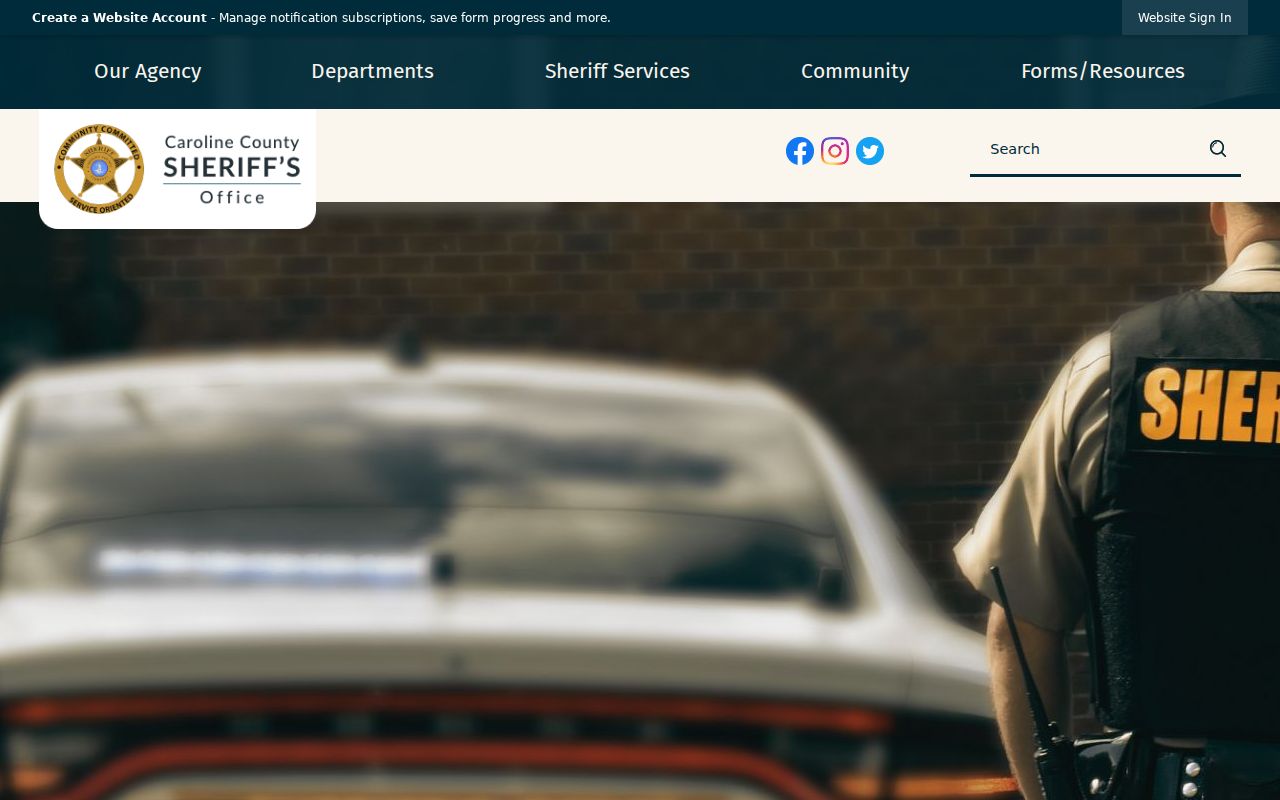
That agency page is the starting point for CCSO-created records, while court filings remain with the clerks.
Official Background Checks in Virginia
The Virginia Department of State Police, Central Criminal Records Exchange, maintains the state repository. General-public requests use the Virginia Criminal Record Check and SP-167 form process administered through Civil and Applicant Records Exchange. It is not an anonymous public name-search portal. The subject supplies identity data and notarized consent, and a recipient section is completed when results go to another authorized person or agency.
A standard Virginia criminal-history name search costs $15. A combined criminal-history and Virginia Sex Offender Registry request costs $20. VSP lists separate nonprofit volunteer prices when the required tax-exempt proof is supplied. The generated form must be printed and mailed with payment; normal processing is about 15 business days after receipt, with no same-day or expedited option. Fingerprints can reduce false matches, but VSP does not present personal fingerprinting as a routine SP-167 add-on. Fieldprint serves qualifying noncriminal-justice accounts under current service-code rules.
| Official product | Fee | Main requirement |
|---|---|---|
| SP-167 Virginia name search | $15 | Printed form and notarized consent |
| SP-167 history plus registry | $20 | One authorized request per subject |
| Remote online notarization | $25 extra | Optional generator service |
| FBI Identity History Summary | $18 | Subject’s fingerprints |
Caroline SP-167 Record Requests
The official SP-167 form generator collects the request choices and produces the paper to send. It does not display a criminal-history result in the browser.
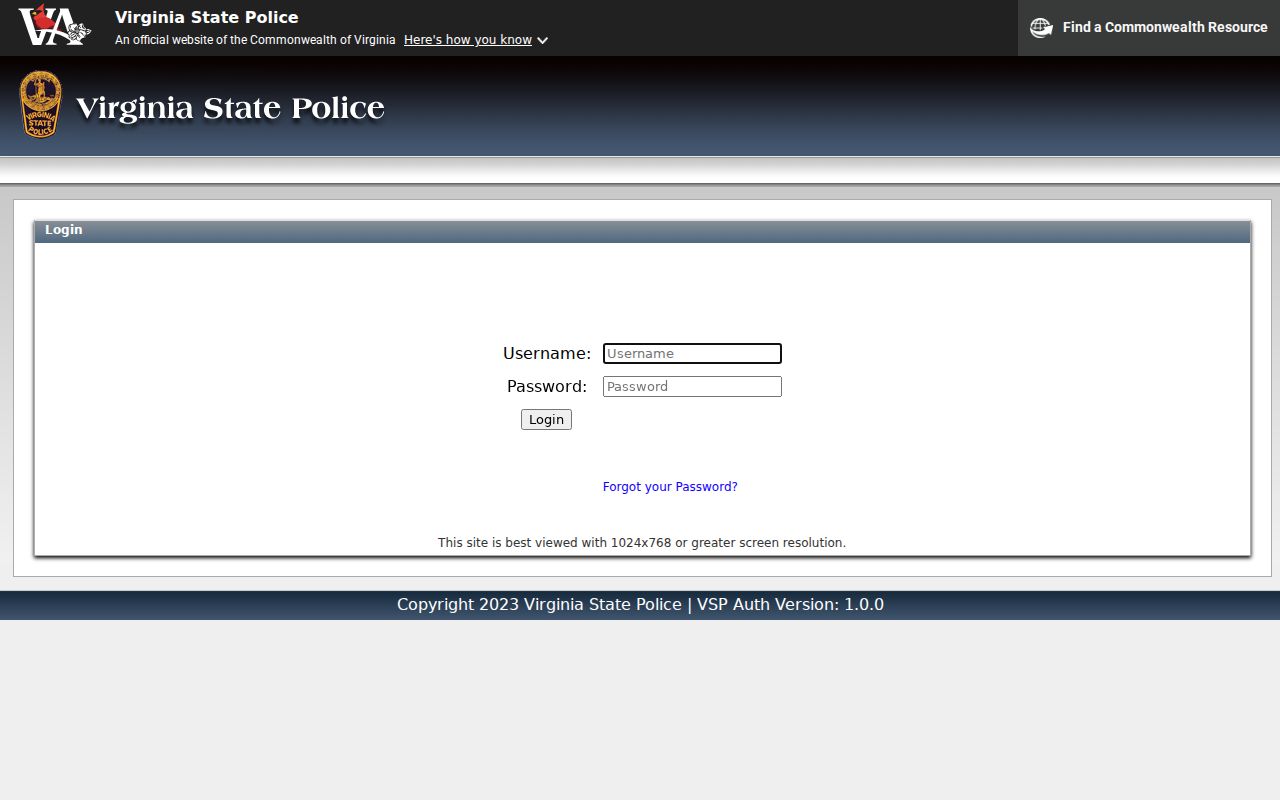
The screen helps prepare the request, but notarization, payment, mailing, and state processing still follow.
Fields include the form type and purpose, criminal-history-only or combined registry choice, full legal name, aliases, sex, race, date of birth, address, subject affidavit, notarization, recipient details, fee choice, and payment data. One form is required for each subject. VSP CARE receives mailed requests at P.O. Box 85076, Richmond, VA 23285-5076. A Richmond-area authorized drop-off still does not yield a same-day answer.
| Name search basis | Comparison with the CCRE master name index |
|---|---|
| Possible response | Virginia criminal record attached or a stated no-record/no-conviction result code |
| What it is not | A courthouse document file, police narrative, or instant anonymous lookup |
| Correction route | Review the official result, identify the arrest cycle, and contact the reporting agency with the court disposition |
Note: A name-only no-record response does not prove that no arrest ever occurred, and it should not replace identity verification.
Kinds of Criminal Records
Caroline County criminal records reflect different steps in one event. A deputy or police officer writes an incident or arrest report. Intake staff create a booking record. A magistrate may issue process and review bail. General District or Circuit Court then creates a case file if a charge is filed. Fingerprint-supported arrests and later dispositions can reach CCRE, while VADOC begins to matter only after state custody or supervision.
Choosing the custodian first prevents a common dead end. The sheriff cannot certify a judge’s final order, and the Circuit Clerk does not own a deputy’s narrative. A public registry profile also has a narrow purpose and is not a full criminal history.
- Incident and arrest reports: the creating law-enforcement agency holds the narrative and attachments, subject to exemptions.
- Booking and custody data: the receiving facility records identity, charges, bond, holds, and release information.
- Court case files: clerks keep charges, events, orders, pleas, outcomes, sentences, and financial entries.
- Repository history: CCRE links reported Virginia arrest cycles with qualifying dispositions.
- Supervision and registry data: VADOC and VSP publish only the fields their laws and systems authorize.
No Caroline County Inmate Search
No current public CCSO inmate-name search or ordinary county jail roster was verified. For a recent Caroline County arrest, start with the weekly arrest archive, call CCSO, and ask where the person was committed. Next, use the named facility’s own channel or VINELink if its custody record participates. Search OCIS for the filed case. The VADOC locator becomes useful only when the person enters Virginia state custody, probation, parole, an institutional hospital assignment, or another covered placement.
The VADOC Inmate and Supervisee Locator is updated daily and requires acceptance of its disclaimer.
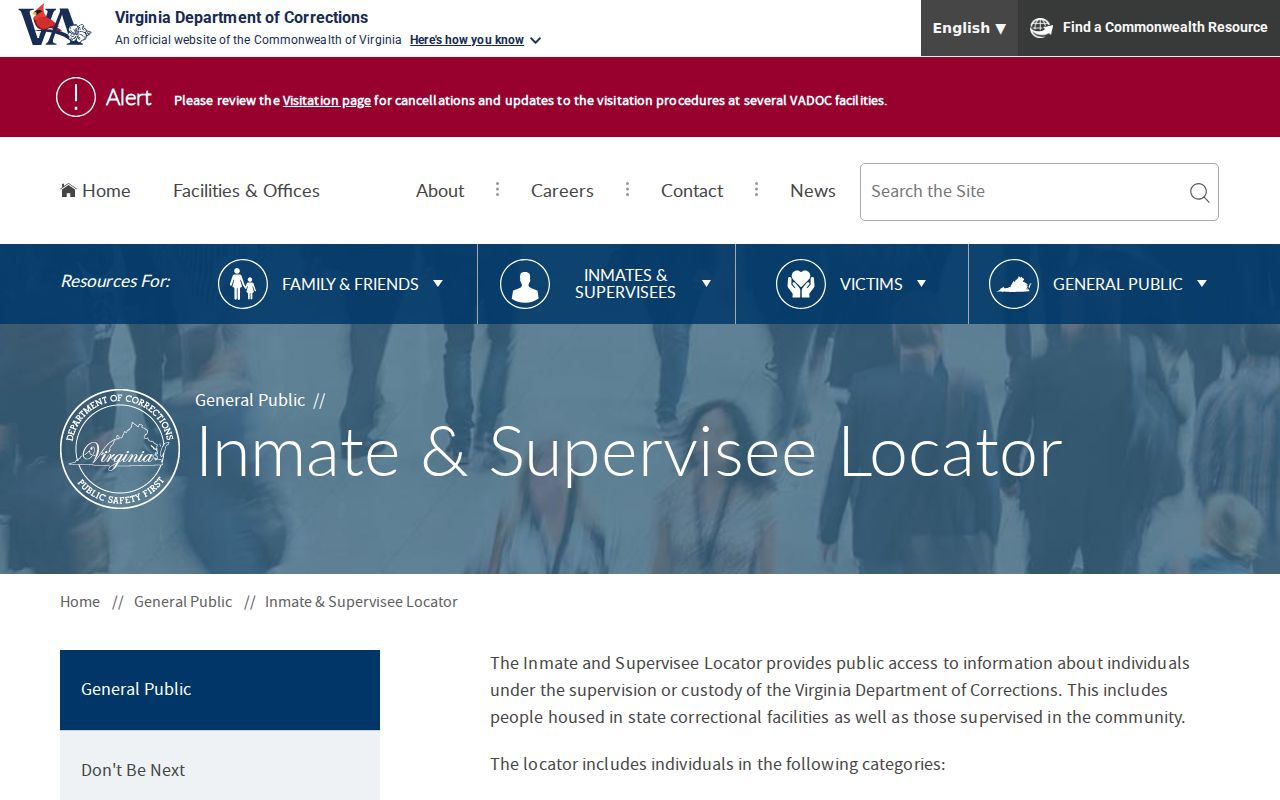
Searchers can use a seven-digit DOC ID or a name route with filters, but the locator does not cover every historical Caroline County arrest.
| Question | Best first channel | Fallback |
|---|---|---|
| Was a recent CCSO arrest reported? | Weekly Arrest Reports | CCSO Records and court docket |
| Where is the person now? | Ask CCSO for the custodian | VINELink or the named facility |
| Is the person under state control? | VADOC locator | District 41 Ashland for supervision |
| What happened to the charge? | OCIS | General District or Circuit clerk |
Caroline County Criminal Records: What They Contain
A repository history is organized around a person’s identity and arrest cycles. A court file is organized around its case number and docket events. The sheriff’s report is organized around the encounter. Public views omit or redact many sensitive fields, including full Social Security numbers, victim and minor details, medical data, sealed material, and active investigative facts.
| Name and identifiers | Legal name, aliases, date-of-birth data where authorized, and repository identifiers |
|---|---|
| Arrest and booking data | Arrest date, agency, alleged charge, fingerprints, custody, bond, and release data when released |
| Charges and statutes | Initial accusation, filed or amended charge, Virginia statute, and court level |
| Disposition | Conviction, acquittal, dismissal, nolle prosequi, or another recorded result |
| Sentence | Jail or prison term, suspended time, fine, costs, restitution, and probation where ordered |
| Custody or supervision | VADOC status, location or district, and release-related data where public |
Terms matter. A disposition is the outcome of a charge. Nolle prosequi means the prosecutor chose not to proceed on that charge at that time, with court acceptance. A capias commands an arrest, often after a failure to appear or comply. An indictment is a grand jury’s formal accusation, not proof of guilt.
Caroline County Detention Records
The Caroline Detention Facility creates an unusual records trap. The 336-bed campus opened in 1999 as Peumansend Creek Regional Jail, stopped regional-jail operations in 2017, and later reopened for federal immigration detention under a federal contract. Its prominent Caroline name does not make it the ordinary booking roster for every person arrested in the county. A searcher should ask the arresting agency where the person was actually committed.
State custody follows another track. The VADOC facilities and offices directory distinguishes correctional institutions from probation districts and other assignments.
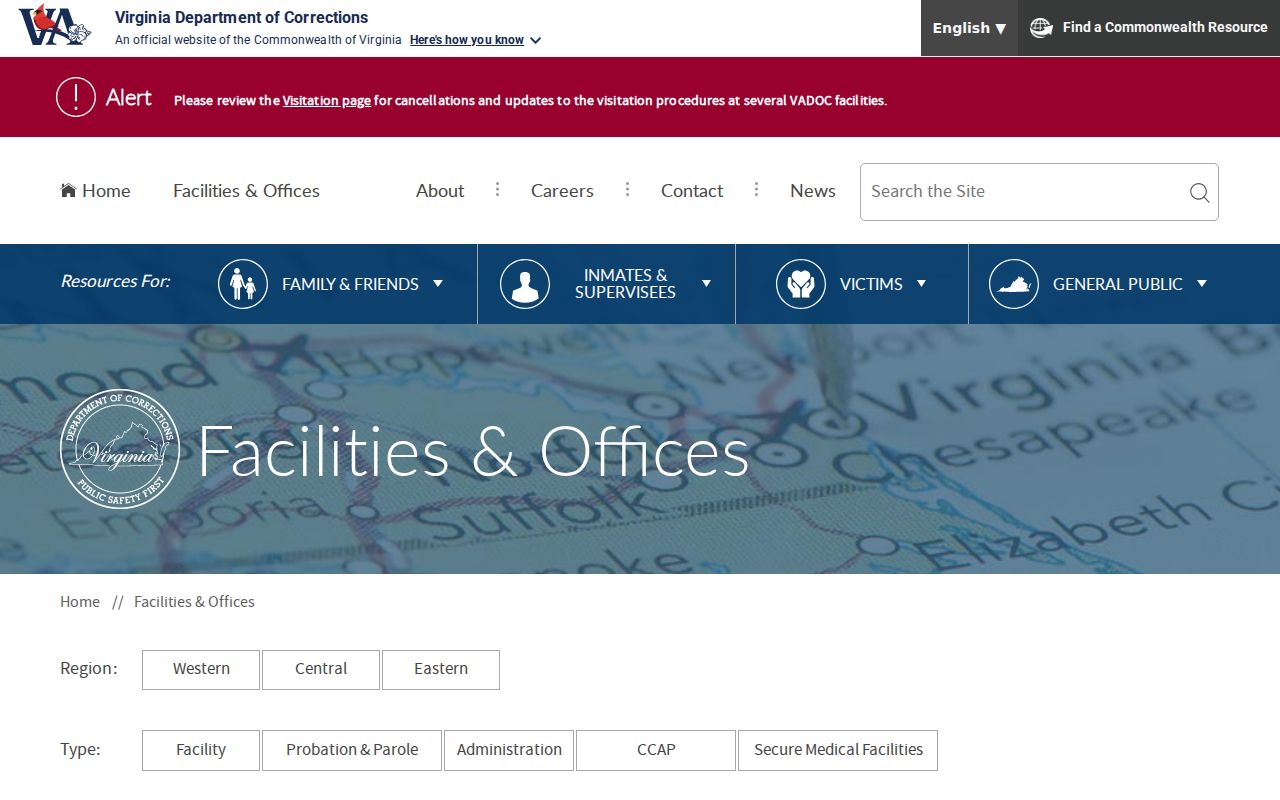
That distinction keeps a federal detainee, a Virginia inmate, a probationer, and a recent local arrestee from being treated as the same custody population.
Virginia Public Access Laws
Virginia law provides access by record type, not one blanket promise that all criminal information is public. Virginia FOIA applies to identifiable existing public records and allows reasonable actual-cost charges, exemptions, and redaction. Clerk access to court files also follows court-record statutes and judicial rules. CCRE dissemination is narrower and requires sworn consent for the general-public SP-167 route. Ask for a specific existing document, date range, case or incident number, and preferred format.
Key statutes:
Virginia FOIA, Code §§ 2.2-3700 through 2.2-3715 gives a response framework while preserving stated exemptions and cost rules.
Code § 19.2-389 limits dissemination of CCRE history and governs consent-based public requests.
Code § 17.1-208 governs access and copies from court clerks, subject to law and court rules.
Code § 9.1-132 lets a person inspect and challenge their own qualifying criminal-history information.
Code § 19.2-392.2 supplies the traditional petition route for eligible expungement.
Caroline Weekly Arrest Reports
CCSO’s official weekly Arrest Reports archive is the quickest local window into recent sheriff activity. It is organized by publication week and opens PDF reports. There is no name-search box, radius control, or paid account. The listed period, agency context, arrest date, alleged offense, and summary detail can guide the next request, but exact fields vary by edition.
A weekly entry proves only that the office reported an arrest event. It does not prove guilt, guarantee that a prosecutor filed the same charge, identify the final place of custody, or supply a final disposition. Follow a relevant entry into CCSO Records for the releasable underlying report and into OCIS for the court outcome. Events created by VSP or another agency must be requested from that agency, even when the charge later appears in Caroline County court.
The archive can also omit an event because of the arresting agency, reporting cutoff, or a later correction. Absence from one PDF is not proof that no arrest happened.
Restricted, Sealed & Expunged Records
Juvenile court cases do not appear in Virginia’s public online case systems. Victim information, child data, Social Security numbers, medical facts, active investigative material, and security-sensitive details may also be withheld or redacted. Sealed cases vanish from ordinary public access while remaining available to users authorized by law.
Traditional expungement under Code § 19.2-392.2 is not a general way to erase any conviction. Eligible outcomes can include an acquittal, nolle prosequi, or a charge otherwise dismissed, subject to the statute and its exceptions. A Caroline County petition goes to Circuit Court in the place where the case was disposed. Obtain the correct case number and disposition, ask the clerk for current forms and fees, follow the fingerprint and service rules, and keep certified copies of any final order.
Virginia’s separate sealing law includes automatic and petition-based paths, exclusions, limits, and authorized access. Its effective dates have changed, so the live code and current clerk forms control. After relief, check the Caroline court index, an authorized VSP self-record response, and the originating agency. A stale entry should be addressed with the final order through the applicable correction channel.
Caroline County Supervision Records
State felony probation and parole for Caroline County are administered by VADOC District 41 Ashland at 103 Green Chimneys Court, Suite A, Ashland, with telephone 804-368-3846. Hanover Community Corrections and Pretrial Services supplies regional local services for Hanover and Caroline from 7515 County Complex Road in Hanover. A court docket can show that probation was imposed, but it may not reveal current compliance, the assigned officer, or a later supervision change.
Use the VADOC locator as the first public status check because it expressly includes probationers and parolees and updates daily. Confirm important details with District 41. VADOC identifies adult supervision, investigation, and case-management records as material that may be exempt from disclosure. A technical violation is also different from a new criminal charge; the supervising agency starts the response, but a court or the Virginia Parole Board makes the decision through the proper hearing process.
City-by-City Criminal Records in Caroline County
Caroline County has only two incorporated towns. Bowling Green is the county seat and has a town police department, while Port Royal has no separate police records unit or municipal criminal docket verified in official sources. Virginia does not use town municipal criminal courts here. Both towns route filed matters through Caroline General District or Circuit Court, though the creating police agency still controls its own report.
Bowling Green Record Check
Population 1,168 in 2020. Confirm whether Bowling Green Police or CCSO created the incident record.
Port Royal Record Check
Population 196 in 2020. CCSO and the Caroline courts provide the main criminal-record channels.
Caroline County Custody Records
Custody status can change after the arrest report and before the court case ends. VINELink provides Virginia custody-event notifications when the relevant custodian participates.
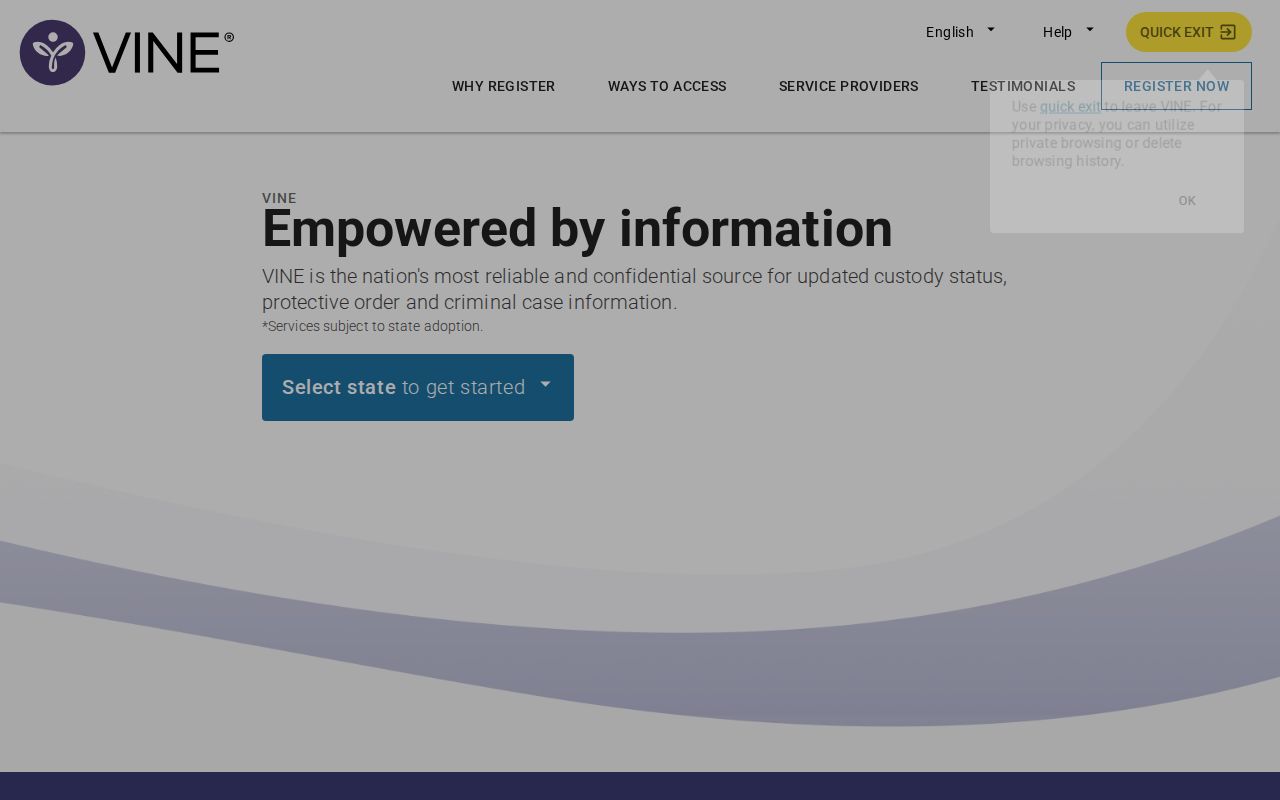
The notification service supplements, but does not replace, confirmation with the holding facility, the court docket, or VADOC.
Start by asking CCSO where the person was committed, since the county lacks one verified public jail roster and the Caroline Detention Facility serves a federal mission. Use the named facility’s contact rules for visits, deposits, calls, or mail. If the person later enters Virginia custody or supervision, move to the VADOC locator. This sequence avoids sending funds or personal data based only on an unsolicited call, an old weekly report, or the wrong facility name.